
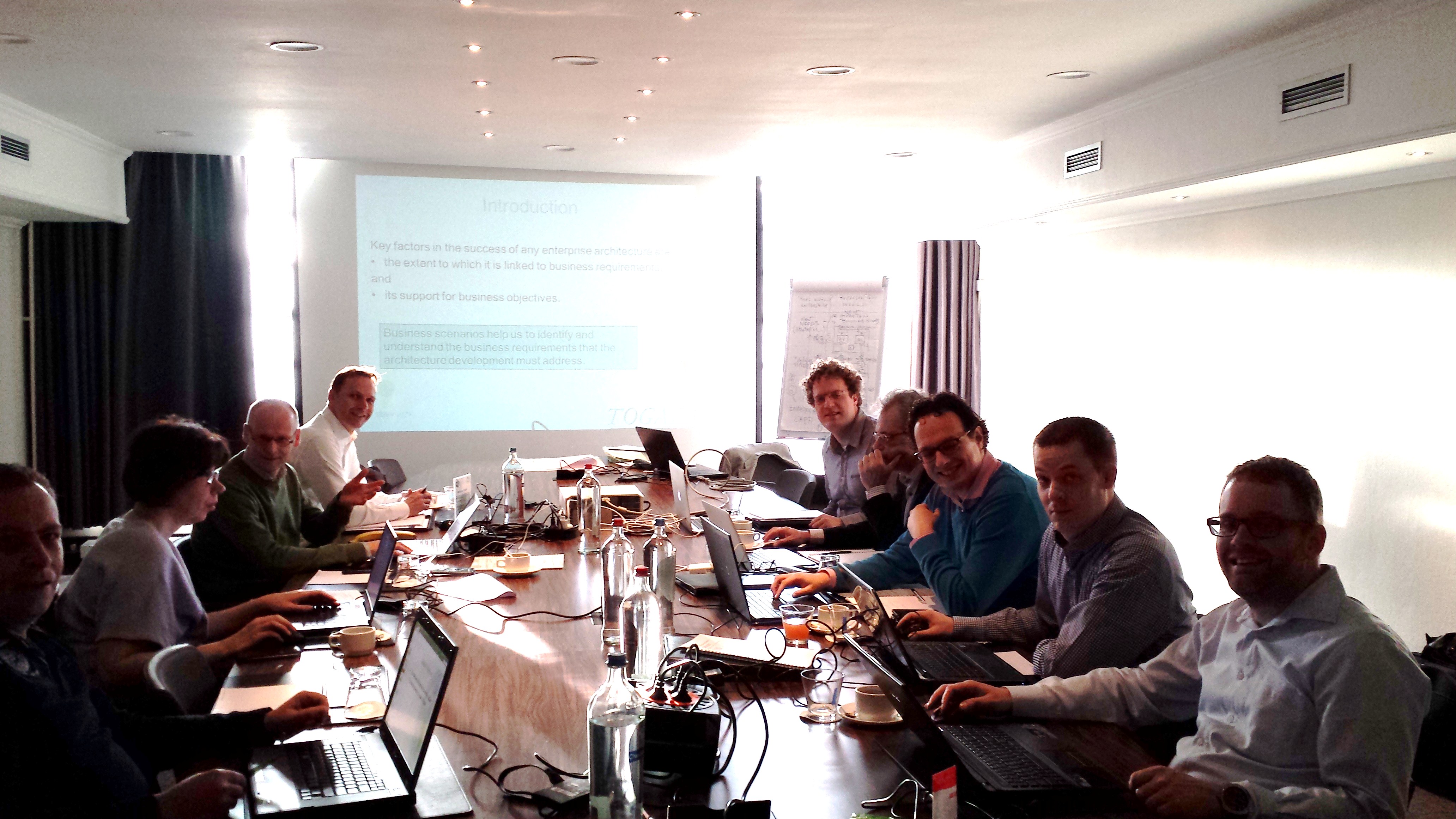
GooBiz is a consultancy and training company providing Digital Transformation & System Engineering servicesacross NA, EMEA and currenty all other locations including Asia-Pacific in distance training and consultancy
Contact mail : info@goobiz.com
 In addition to our training and mentoring services on the applications of these standards, we help you to customize these standards to align your organizational and IT structures with digital disruption.
Such a data-driven alignment allows you to bring regular improvement to your processes and confers a competitive reactivity to your organization.

Duration : 2 days online or on your site
for more info, please mail to :birol.berkem@goobiz.com
Digital and Agile Transformation Approaches - Impacts on the Business
Understanding the Digital and Agile Approaches and their Impacts on Digital the Business Model, Marketing, Client Relationships and Different Functions of the Enterprise including the IT
Duration : 2 days
Objective : Helping attendees identify new usage of the 'digital technologies' and new behaviours of stakeholders induced by the digital technology evolutions and agile methods. The content of this course also allows attendees to determine impacts and benefits of the digitalization and agile transformation processes for different entities of their enterprise as well as their impacts on the IT.
Prerequisites : None
Participant Profiles : CxO, Business Strategists, Enterprise Architects, Business Architects, System Architects, Business Analysts, System Analysts
Detailed Description :
The following Digital and Agile approaches consider the best practices including the 'Dual Transformation' Approach based on the Digital Practitioner Body of Knowledge (DPBok) and Open Agile Architecture (O-AA) standards from the Open Group.
PART 1 : The Dual Transformation and Impact of 'digital' on your business model
1 - Apprehend advantages of the digital transformation for your company
- Describe the current trends of the digital,
- Understand digital disruptions,
- Identify impacts of the sustainable development in digital transformation,
- The roles of digital technologies : mobile, social medias, analytics, cloud computing, IoT, blockchain, NFT, …
- Dematerialization of processes and services,
- Understanding the motivation data : from KPIs to ROI,
2 - Managing the digital transformation
- Essentials of managing digital projects,
- Risk analysis of digital transformation,
- Describing digital products and services using 'design thinking' and 'value proposition canvas'.
- Adopt Agile Methods to Successful Value Creation
3 - Elaborate a digital strategy to Increase your Company Benefits
- Apprehend different digital strategies,
- Redesign your Business Model in the digital era using the Business Model Canvas,
- Distinguish innovation dimensions as potential economic models of revenue,
- Determine the maturity level of your company for digital transformation,
- Be inspired of successful digital transformation examples
PART 2 : Impact of the 'digital' upon the Marketing and IT Functions
1 - Focus on the Customer Experience
- Customer Experience : Customer Journey and Touchpoints,
- Identifying Personas and new Customer Behaviors,
- Best practices in describing the customer experience,
- The challenges of the customer experience on the marketing vision,
2 - Integrate the Digital Marketing
- Digital Marketing in the strategic acquisition and retention of the Customer,
- SEO : a decisive advantage,
- Role of the Analytics to optimize marketing actions,
- Landing pages : A customer centric process.
- CRM for performance analysis: function, objectives and solutions,
- Personnalizing the 'Customer relationship' and the marketing automation.
- Customer Reconversion : the Key Success Factors
- Projecting convergence of the marketing, sales, client relationships and IT,
- New commercial approaches (social selling, remote selling).
3 - Addressing technologies of the digital enterprise
- The central role of the IT in the digitalization of the enterprise,
- Principles of IT urbanization : technical fundamentals,
- Digitizing the workstation: digital workplace and digital employee,
- The cybersecurity of the company: risks analysis,
- Adapt the IT to digital challenges (BYOD, shadow IT, open data, etc.).
- Integrating mobile devices into digital transformation,
- Deploy Cloud and SaaS solutions,
- Business Analytics and Optimization (BAO) technologies,
PART 3 : Impact of the 'digital' on the management
1 - Activate the key success factors in the digital transformation project
- The role of HR in digital transformation,
- The integration of a new skills repository,
- Develop the digital agility of employees,
- Identify the obstacles to digital transformation, decipher cultural inhibitions,
- New generations, new values,
- Role and responsibilities of management in digital transformation,
- Establish a digital governance system,
2 - Manage impacts of the 'collaborative working' upon the management
- Manage using collaborative tools,
- Animate internal communities,
- Use of corporate social networks,
- Collaborative management vs. hybrid management,
3 - Rely on new management methods
- The principles of agile culture and "test and learn".
- From agile project to agile management,
- Instill an entrepreneurial spirit,
- New modes of collaboration: partnership and collective relationship, right to failure, new workspaces,
- The influence of start-ups in the functioning of the enterprise.
- The contributions of leadership to management,
- New organizational models.
The Open Agile Architecture (O-AA), TOGAF and ArchiMate are respectively trademarks of the Open Group
IT4IT is a trademark for IT Reference Architectures from the Open Group,
The Business and Value Model Canvases are trademarks by Osterwalder and Pigneur